


The Parents and Grandparents Program (PGP) has been paused to new applicants since July 15, 2026, and it stays slow for a reason IRCC states in its own memos: the bottleneck is inventory, not staffing. More applications are already waiting than the yearly target can clear, so extra officers cannot speed it up. Processing now runs about 28 months outside Quebec.
Here is why that matters. If you already have a file in the queue, a paused intake does not freeze your application. IRCC keeps processing what it has and still plans to approve up to 15,000 people through the program in 2026. If you are waiting to apply, the picture is harder: there is no interest-to-sponsor form to submit, no lottery, and no reopening date. Knowing which of those two situations you are in changes what you should do next.

What IRCC actually did in 2026
On July 15, 2026, IRCC published a notice titled Canada takes steps to responsibly manage the Parents and Grandparents Program. Two sentences do the work. The first: IRCC “is pausing the intake of new applications under the Parents and Grandparents Program.” The second, and the one that matters for planning: IRCC “will not receive new interest to sponsor forms or invite potential sponsors to apply until further notice.”
The live program page says the same thing. Its status reads “Paused,” and it confirms that IRCC “will not accept new interest to sponsor forms or invite potential sponsors to apply until further notice.” In the same breath it reassures people already in the system: “We’ll keep processing existing applications.” IRCC says it plans to approve up to 15,000 people for permanent residence through the program in 2026, in line with the 2026 to 2028 Immigration Levels Plan.
So the pause is on the front door, not on the files already inside. That distinction is the whole story, and it is where most of the confusion comes from.
Why it is so slow: IRCC’s own explanation
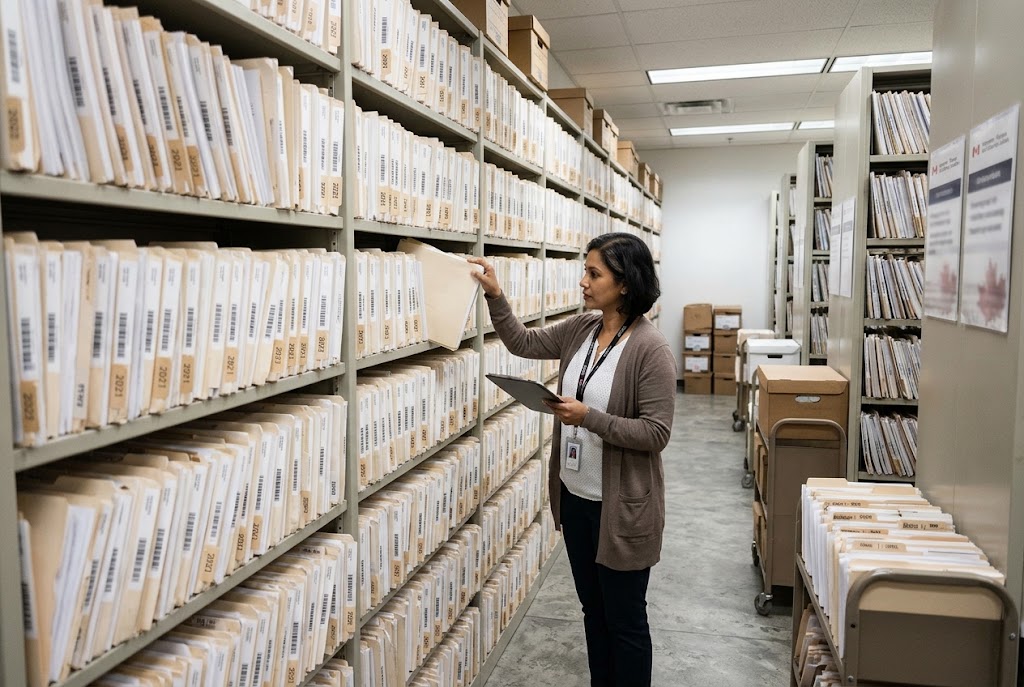
Most coverage of the PGP stops at “demand exceeds supply.” That is true, but it is not the mechanism, and the mechanism is the useful part. Think of the program as a room with a fixed number of exits per year. It does not matter how many staff you put at the exits; what sets the wait is how many people are already in the room against how many the exits are allowed to release each year.
IRCC put this in writing. In memos to the Minister in 2022 and 2023, released under access to information, the department explained its own view that parent and grandparent processing times are driven by inventory, not by resources. A May 2022 memo told the Minister that demand far exceeded the space in the Immigration Levels Plan, and that enough applications were already waiting, roughly 90,000 people from the 2020 and 2021 intakes, to meet the targets through 2024 on their own. The memo’s blunt conclusion was that processing times for this program cannot be cut with extra staff or modernization; they depend only on how many complete applications are accepted against the yearly admission target.
The history in the same memos makes the point concrete. When the 2014 cap was set below demand (5,000 to 10,000 applications), processing times fell to about 19 months. When caps from 2018 onward were set above demand (17,000 to 30,000), the queue rebuilt itself and the waits grew. A February 2023 memo repeated the pattern: the inventory already covered the 2023 to 2025 targets, so any new application would wait two to three years.
“So why not just hire more officers?”
This is the objection almost everyone has, and it is a fair one. For most application types, more staff really does mean faster decisions. The parents and grandparents stream is the exception, and IRCC’s own reasoning is why. The limit is not how fast an officer can assess a file; it is how many of these applicants Canada is willing to land as permanent residents in a given year, a number fixed by the Levels Plan. Doubling the officers assigned to the program would not raise that annual ceiling. It would only move more files to the front of a line that still releases the same number of people per year. That is also why pausing new intake, rather than adding capacity, is the lever IRCC reached for: when you cannot widen the exit, you stop widening the room.
A fair counter-point: the pause does not shorten the wait for anyone already in the queue either, and it leaves would-be sponsors with nothing to plan against. Both things are true at once. The pause protects the people already waiting from an even longer line; it does nothing for the people who never got in.
If you already have a parent or grandparent application in the queue, the useful question is not how to make it go faster but whether anything in your file has quietly lapsed since you applied. Ansari Immigration can review an in-queue file and tell you which income years and documents IRCC will re-check before it decides.
Book a 30-minute consultation ($80)
A worked example (illustrative)
Here is how this typically plays out. Picture a sponsor invited from the 2020 pool whose complete application is sitting in the queue today. IRCC’s processing-time tool currently shows about 28 months for parent and grandparent sponsorship outside Quebec. Over a wait that long, real things change: a sponsor’s household income is re-tested against the required minimum for the relevant tax years, so a job change or a new dependent can pull them below the line years after they first qualified; medical and police certificates expire and have to be redone; and a parent’s own health can change the file. None of that is caused by slow officers. It is the direct cost of a multi-year queue, and it is exactly the risk the 2022 memo warned the Minister about when it noted that long waits generate income shortfalls, medical issues, document refreshes, and more court applications to force decisions.
The lesson for anyone in the queue is not “chase IRCC for speed.” Speed is not on the table. The lesson is to keep the file current, because the thing most likely to sink a long-waiting application is a requirement that quietly lapsed, not an officer’s decision.
What the pause means if you are already in the queue
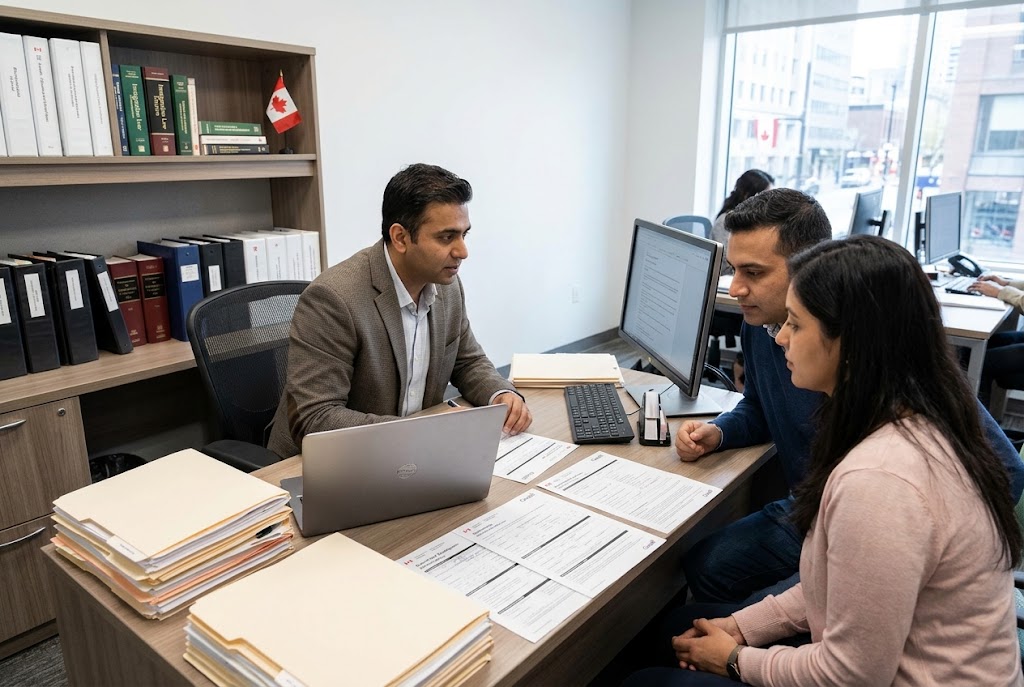
If your application was accepted before July 15, 2026, you keep your place in the family sponsorship queue. The pause stops new interest-to-sponsor forms and new invitations; it does not touch files already in processing, and IRCC says so on the program page. Your practical job is maintenance: keep your proof of income ready for the tax years IRCC will assess, renew any document that expires, and respond quickly to any request so your file does not stall on your side of the line.
The trap sits at the other end. The program’s front door is the interest-to-sponsor form, and that form only opens when IRCC decides to open it. Right now there is no form, no lottery, no queue to join, and no announced date. “Until further notice” gives a would-be sponsor nothing to count down to. The failure mode we see is people treating the PGP page like a closed shop with a reopening sign, when in fact it is an absence: there is nothing to submit and nothing to reserve, so there is no action that improves your position for a future round. Watching the notices page is the only real move.
If you are in the PGP queue, how long have you been waiting so far? Share the year you were invited in the comments; real timelines help other families gauge what to expect. Keep it general, and for advice on your own file use a consultation.
What you can actually do now
If your parents or grandparents simply need to be here, the live route is the super visa, and IRCC points to it directly in the pause notice. It lets a parent or grandparent visit for up to five years at a time, and IRCC’s program page notes that holders can also apply for two-year extensions from inside Canada. It is not permanent residence and it does not replace a sponsorship, but it is the one parent-and-grandparent pathway that is actually accepting applications today, which is why it matters more than usual while the PGP intake is closed.
Two honest caveats. The super visa carries its own income and private medical-insurance requirements, and those are worth checking against your situation before you count on it. And a visit is not a landing: time on a super visa does not build toward permanent residence on its own. If your real goal is PR for a parent or grandparent, the super visa buys time while the PGP intake stays closed; it does not substitute for it.
Where the official picture goes quiet
Two gaps are worth naming, because competitors tend to paper over them. First, IRCC says it plans to approve up to 15,000 people through the program in 2026, but it has published no date, and no mechanism, for reopening intake. “Until further notice” is the entire forward guidance. Second, the clearest explanation of the inventory bottleneck comes from the 2022 and 2023 memos, and IRCC has not published a current, dated inventory count to go with the latest pause. The mechanism is well documented; the present-day numbers behind it are not. For a reader, that means the honest answer to “when will it reopen” is that nobody outside IRCC can tell you, and anyone who gives you a confident date is guessing.
Parents and Grandparents Program processing times in 2026
Where the sponsor lives |
Current PGP processing time |
Outside Quebec |
About 28 months |
Quebec |
About 63 months |
Source: IRCC, Check processing times (updated October 2026). Processing times are an estimate IRCC revises monthly and can change without notice.
Frequently asked questions
Is the Parents and Grandparents Program open in 2026?
No. IRCC paused new intake on July 15, 2026 and will not accept new interest-to-sponsor forms or invite new sponsors until further notice. There is no application to submit right now.
Does the pause stop my existing application?
No. IRCC says it will keep processing applications already in the system and still plans to approve up to 15,000 people through the program in 2026. A paused intake is not a paused queue.
Why can’t IRCC just add staff to speed it up?
Because the limit is the yearly admissions target in the Immigration Levels Plan, not officer capacity. In its own memos IRCC explained that these processing times depend on how many complete applications are accepted against the annual target, which is why more staff would not shorten the wait.
How long does parent and grandparent sponsorship take now?
IRCC’s processing-time tool currently shows about 28 months outside Quebec and about 63 months in Quebec. These are estimates and change monthly.
Can I use the super visa instead?
The super visa is the live option while intake is paused. It allows visits of up to five years at a time with two-year extensions, but it is a temporary visit, not permanent residence, and it carries its own income and insurance requirements.
Related Posts
Parents and Grandparents Sponsorship 2026: Canada Pauses New PGP Applications: What the July 2026 pause notice says and what it means for families planning to sponsor.
How to Sponsor Your Parents and Grandparents in 2026: A step-by-step look at the sponsorship process and where the super visa fits while intake is closed.
Super Visa Income Requirement 2026: The minimum income a sponsor needs for a super visa and how it is calculated.
Why work with Ansari Immigration. Most families waiting on the PGP do not need to pay for help to sit in the queue, and that is the honest answer. It is worth a professional read when one of three things is true: your household income has changed since you applied, a parent or grandparent needs to be in Canada now and you are weighing the super visa against waiting, or a document lapsed mid-queue and you cannot tell whether it will sink the file.
Ansari Immigration quotes flat, transparent fees upfront, and where the super visa is the right route it is a flat $750, each additional family member at the same fee. Every file is handled personally by the firm’s licensed RCIC, regulated by CICC.
Book a 30-minute consultation ($80)
Tell us in the comments whether you are waiting in the queue or leaning toward the super visa while the program is paused.
This article is for general information only. It is not legal advice. Program criteria, requirements, processing times, and selection approaches can change without notice. Always confirm details on official government websites or consult a licensed Regulated Canadian Immigration Consultant (RCIC) for advice specific to your situation.