


A multiple entry visa lets you enter Canada as many times as you want before it expires; a single entry visa lets you enter only once. What most people searching for a multiple entry visa Canada guide miss is that you do not choose which one you get, and neither type guarantees you will actually be allowed in.
That last point is where the real risk sits. Travellers who assume their visa is multiple entry, leave Canada for a quick trip to their home country, and then discover they held a single entry visa can be stuck outside the country until a new visa is approved. Even a valid multiple entry visa only gets you to the border. Per IRCC's guidance on single and multiple entry visas, the entry type is set by an officer, not by you, so understanding it before you book a flight protects you from an expensive, avoidable delay. For why holding a visa and being admitted are two separate decisions, see our explainer on the difference between a port of entry and a visa.
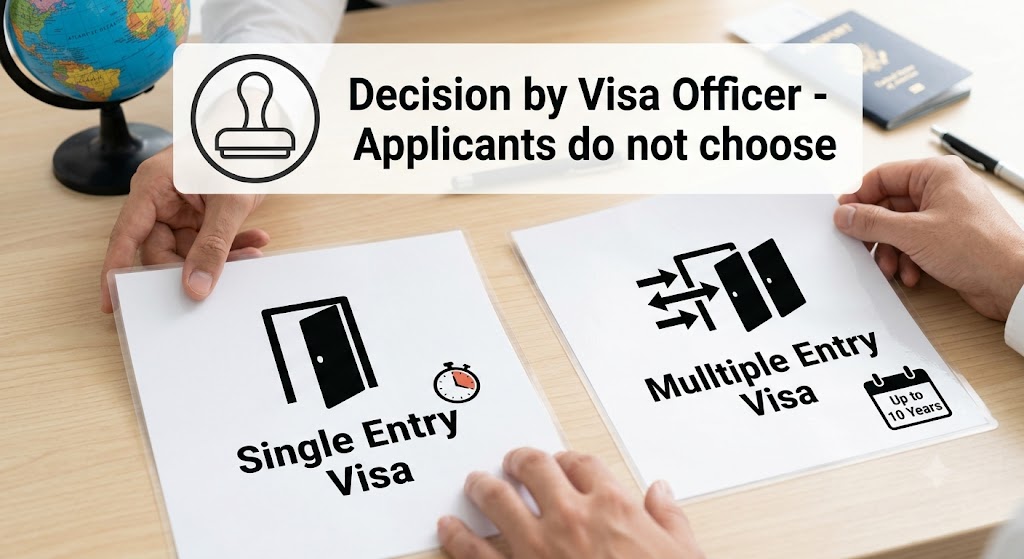
Single entry vs multiple entry visa at a glance
Feature |
Single entry visa |
Multiple entry visa |
Entries allowed |
One entry only |
As many as you want until it expires |
Typical validity |
Set by the officer for a limited purpose |
Up to 10 years, or until your passport or biometrics expire |
When Canada issues it |
Limited-purpose or fee-exempt entry, a one-time event, a short stay under 6 months, or country-specific rules |
The standard case when your situation supports it |
Re-entry after you leave |
Usually need a new visa |
Re-enter freely while the visa is valid |
Government fee |
Standard visitor visa fee |
The same standard visitor visa fee |
Source: IRCC, What is the difference between a single-entry and a multiple-entry visa? and Visitor visa: About the document. Verified August 2026.
What a multiple entry visa Canada allows
A multiple entry visa is a type of temporary resident visa (TRV) that lets you travel to Canada as many times as you want while it is valid. According to IRCC, it can be valid for up to a maximum of 10 years, or until your passport or biometrics expire, whichever comes first. An officer may set a different expiry date depending on your circumstances.
One rule catches people off guard: you must arrive in Canada on or before the expiry date printed on the visa. The visa is your travel document to come to Canada, not a rule about how long you can stay. Most visitors are allowed to stay for up to six months per visit, and the border services officer decides the exact length when you arrive.
What a single entry visa allows, and when Canada issues one
A single entry visa lets you travel to Canada only one time. Once you leave, in most cases you need a new visa before you can enter again. IRCC issues a single entry visa in specific situations, including when:
you qualify for a fee exemption and your purpose of entry is limited, such as an official visit by a foreign national;
you are coming for a one time special event, celebration or tour;
you are coming for short term studies of less than six months, or short term work, and do not need a study or work permit; or
there are approved country specific procedures in place.
There is one useful exception. If you hold a single entry visa and you travel only to the United States (including its territories and possessions) or St. Pierre and Miquelon, you can return directly to Canada without a new visa.
Not sure whether your current visa is single or multiple entry, or what a departure would cost you? That is a 30-minute question you can put to Ansari Immigration's licensed RCIC before you book anything.
You do not choose which visa you get
Here is the part that surprises almost every applicant: you do not select single or multiple entry on the application. In IRCC's own words, "You don't need to choose. We will review your application and issue you a visa depending on your situation." A visa officer has the discretion to issue either type and to decide how long it stays valid.
Approved visitors are not automatically given multiple entry. The officer decides the entry type and how long the visa stays valid based on your situation, so a strong, well documented application matters. Showing genuine ties to your home country and a clear reason for each visit is what supports a longer, multiple entry validity.
One thing that does not change with entry type is cost. IRCC's official fee list states the same fee applies to both single and multiple entry visitor visas, so there is no separate or higher government charge for multiple entry.
From Amir's desk: a visa is not entry
In practice, this is the point clients across Metro Vancouver most often misunderstand. Travellers with valid multiple entry visas assume entry is guaranteed, then face hard questions at the airport about the purpose and length of their visit. Carry proof of your reason for visiting, your ties to home, and enough funds on every trip, not just the first. A multiple entry visa saves you the reapplication, but it never removes the border interview.
Have you ever been surprised by how few or how many entries your visa allowed, or by the questions at the border? Share what happened in the comments, general experiences help other travellers plan their trips.
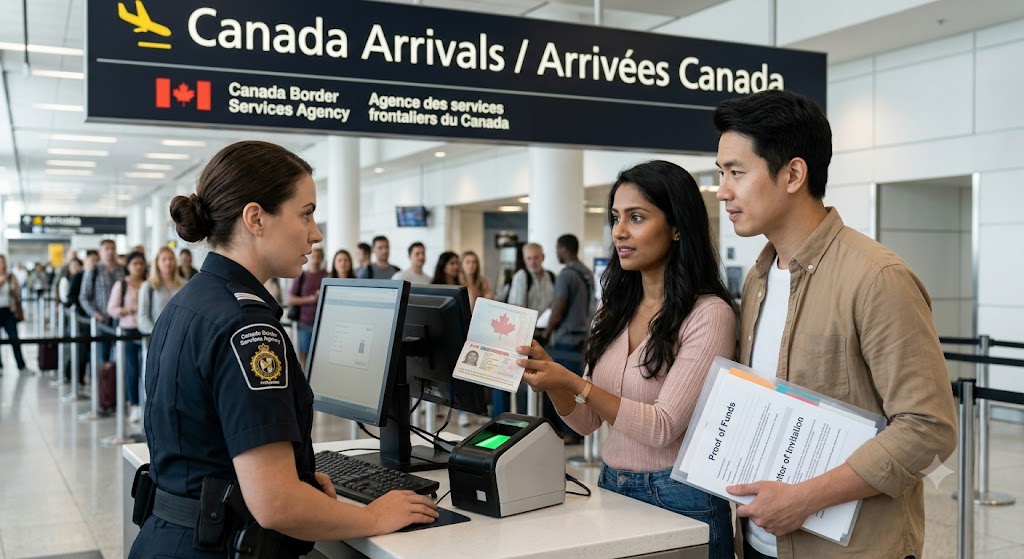
Why the single vs multiple entry difference matters for your trip
Getting this wrong is not just paperwork. If you leave Canada on a single entry visa, you may not be able to come back without applying again, which can take weeks. Knowing your entry type before you travel lets you plan around it, extend your stay from inside Canada if needed rather than leaving, and keep your future applications consistent. Inconsistent travel claims can follow you into later applications.
Parents and grandparents who want to come and go for years often look at the super visa, a long-validity multiple entry option tied to family sponsorship, rather than a standard visitor visa. Whichever route fits, check the "number of entries" field on your visa when it is issued: if it says "multiple," you can come and go until it expires; if it says "single," treat any departure as final until you hold a new visa.
Frequently asked questions about multiple entry visa Canada
Does Canada give multiple entry visitor visas?
Yes. Canada issues both single and multiple entry visitor visas. IRCC reviews your application and decides which one to issue based on your situation. A multiple entry visa can be valid for up to 10 years or until your passport or biometrics expire.
What is the difference between a single entry and multiple entry visa?
A single entry visa lets you enter Canada one time only; once you leave, you generally need a new visa. A multiple entry visa lets you enter as many times as you want until it expires.
How do I apply for a multiple entry visa for Canada?
You apply for a visitor visa (temporary resident visa) the same way regardless of entry type, usually online. You cannot request multiple entry directly; the officer decides. A complete application with strong ties to your home country supports a longer validity. See our guide to the visitor visa application form.
Can I work with a multiple entry visa in Canada?
No. A visitor visa of either entry type is for visiting, not working. To work in Canada you generally need a separate work permit. Entry type only affects how many times you can cross the border, not what you may do here.
What is the maximum stay on a Canada multiple entry visa?
Most visitors can stay up to six months per entry. The border services officer sets the exact date when you arrive and may record it on a visitor record. The visa's multiple entry status controls re-entry, not the length of each stay.
Does a multiple entry visa cost more than a single entry visa?
No. There is no separate government fee for a multiple entry visa. You pay the standard visitor visa application fee whether IRCC issues single or multiple entry. Confirm the current amount on IRCC's official fee list before you apply.
Related Posts
Super Visa vs Visitor Visa: Which Is Right for Your Parents?: How the super visa, a long-validity multiple entry option for parents and grandparents, compares to a standard visitor visa.
Understanding the Difference Between Port of Entry and Visa: Why holding a visa and being admitted to Canada are two separate decisions made by two different authorities.
How to Show Ties to Your Home Country for Temporary Resident Visas in Canada: The evidence that supports a stronger application and a longer, multiple entry validity.
Why work with Ansari Immigration: most travellers do not need a consultant to read a visa; you pay for a straight answer, not a pitch. When a single entry visa, a trip home, or a border question could derail your plans, every Ansari Immigration file is handled personally by the firm's licensed RCIC, with flat visitor visa fees quoted upfront (for example, $1,000 from outside Canada), additional family members quoted separately.
Held a single or multiple entry visa and unsure what your next trip allows? Tell us in the comments, and book a $80, 30-minute consultation when you want it reviewed.
This article is for general information only. It is not legal advice. Program criteria, requirements, processing times, and selection approaches can change without notice. Always confirm details on official government websites or consult a licensed Regulated Canadian Immigration Consultant (RCIC) for advice specific to your situation.