


The latest Express Entry draw Canada is worth paying attention to because it gives candidates a real
snapshot of how IRCC is inviting people right now. For April 2, 2026, IRCC ran a Trades Occupations,
2026 round and published the result on the official IRCC draw page.
For people tracking Express Entry closely, this kind of update is not just a headline. It affects how
candidates read their CRS score, whether they should wait for another round, and whether they need to
strengthen their file before the next invitation cycle.
At Ansari Immigration, this is the kind of update we translate into practical strategy. Instead of reacting
emotionally to one number, candidates need to understand what the round suggests, what it does not
suggest, and what step makes sense now if permanent residence is still the goal.
Express Entry draw Canada: what happened on 2026-04-02
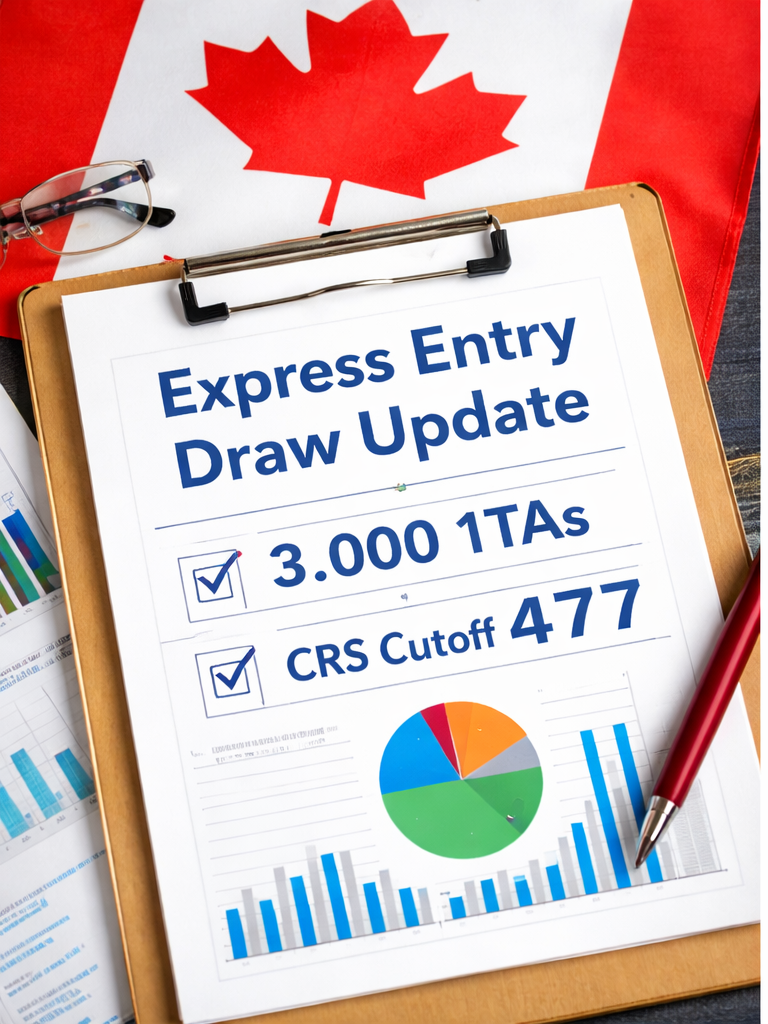
IRCC’s official record shows that this round targeted Trades Occupations, 2026-Version 3. The department
issued 3,000 invitations to apply, and the CRS cutoff was 477. Those are the facts candidates should start
with before making assumptions about where the system is heading next.
In practical terms, this means the government is still using targeted rounds to shape who receives
invitations. That matters because a draw like this does not tell every candidate the same story. Someone in
the trades may read it as an immediate opportunity, while someone outside that profile may need to focus
on improving score, category fit, or provincial options.
The official numbers matter, but the interpretation matters just as much. A single draw should never be
treated as a guarantee of what the next draw will look like. It is better to treat it as a signal that helps
candidates decide whether to hold position, strengthen their file, or move more aggressively.
What this Express Entry draw mean for candidates in Canada
If you are already competitive in a trades category, this draw may confirm that your file deserves immediate
attention. That does not just mean checking your score. It means reviewing whether your language results,
work history evidence, education records, and profile details are strong enough to support an invitation and
permanent residence application without delay.
If you are not in the exact group targeted here, the draw is still useful. It tells you that IRCC continues to use
targeted selection and that broad assumptions about every draw moving the same way are risky. In many
cases, the right response is not panic. It is to improve your position through a stronger Express Entry
strategy, category-based eligibility planning, or a provincial pathway if that better matches your background.
For many readers in Vancouver and across Canada, the practical question is simple: are you close enough
to benefit soon, or are you still missing one or two important pieces? That is where a proper review helps. A
careful file strategy is more valuable than reacting to one draw in isolation.
What to do next if your score is below the cutoff
If your score is below 477, the answer is not automatically to wait and hope. The better question is why your
score is below the line and which improvement would actually move the file. Depending on your case, that
could mean revisiting language results, work experience documentation, education recognition, or
category-based eligibility.
This is also where readers should think beyond the draw itself. Our services page and dedicated Express
Entry page are there to help candidates understand whether they should stay focused on federal selection,
consider a provincial route, or prepare their file for the next opportunity. If you want advice that is specific to
your profile instead of generic internet commentary, use the consultation booking page.
Why this draw matters for Ansari Immigration readers
Your readers are not looking for raw numbers alone. They want to know whether this draw changes their
next move. That is why a good Blog post has to go further than reporting CRS and invitations. It should
explain what the update means in practice, who should care most, and when it makes sense to get
professional help rather than guessing.
For Ansari Immigration, this topic is a good fit because it connects directly to a real service line. Candidates
who are following draw activity often need help with profile review, eligibility planning, or deciding whether to
keep waiting in the pool. A useful next step is to read more on the firm's blog, review the Express Entry, and
then book a paid consultation if the file needs strategy.
Frequently asked questions about this Express Entry draw
Q-Does this draw guarantee that a similar round will happen again soon?
No. One draw can suggest a trend, but it cannot guarantee the next round. Future draws depend on IRCC
priorities, inventory, and category strategy. Any prediction should be treated as a practical estimate, not a
certainty.
Q-If my CRS is below the cutoff, should I stay in the pool?
Often yes, but not passively. Staying in the pool only helps if you are also improving the parts of your file
that can realistically change your outcome. That may mean language, work experience, or a different
pathway strategy.
Q-Is this draw relevant if I am not in a trades occupation?
Yes, because it still shows how IRCC is selecting candidates and how targeted draws affect planning. Even
when a round does not target you directly, it changes the context in which you make your next move.
Book a consultation if you want a real Express Entry strategy
If you want help understanding what this Express Entry draw Canada means for your own chances, use our
consultation booking page. We can review your profile, explain what the latest draw actually means for your
case, and help you decide what to improve next.
Disclaimer: This article is for general information only and is not legal advice. Immigration rules, draw
patterns, and operational priorities can change, and any prediction about future draws is only a practical
estimate.